
Dynamically Sustainable Practice: The Self of the Therapist and the Collaborative Philosophical Stance
When: Friday, September 25, 2026
Time: 10:00am - 11:15am Eastern Time
Where: Online via Zoom
Presenter: Skeetz Edinger, LMFT
Cost: Free for NEAFAST members, $15 for non-members
CE: 1 Continuing Education Credit for LMFTs
Description
As we moved through our graduate educations, many of us were guided toward discovering our theory of change and developing a psychotherapeutic approach. Many of us also likely discovered early in our careers the limits of these theories and approaches. This presentation will be an introduction to the concept of dynamic sustainability frameworks, theories and approaches which rather than propose fixed ways of seeing and working, continuously adapt to fit the evolving demands of the therapeutic context. Participants will examine dynamic sustainability frameworks as they are expressed through the philosophical commitments of Collaborative-Dialogic Practice. Through applied case discussion, participants will have the opportunity to consider how these ideas take shape in the complexity of clinical work. Join us in the shift from eclecticism to grounded metatheory—from having a collection of approaches to holding a coherent stance from which any technique can be understood.
Learning Objectives
As a result of this training participants will be able to:
- Define Dynamic Sustainability Framework and understand how the concept is applied to the practice of psychotherapy.
- Describe the philosophical stance of Collaborative-Dialogic practice and understand how it informs a way of being and becoming with the people that we work with.
- Understand the impact of a therapist’s theory of change on the self of the therapist.
Instructor
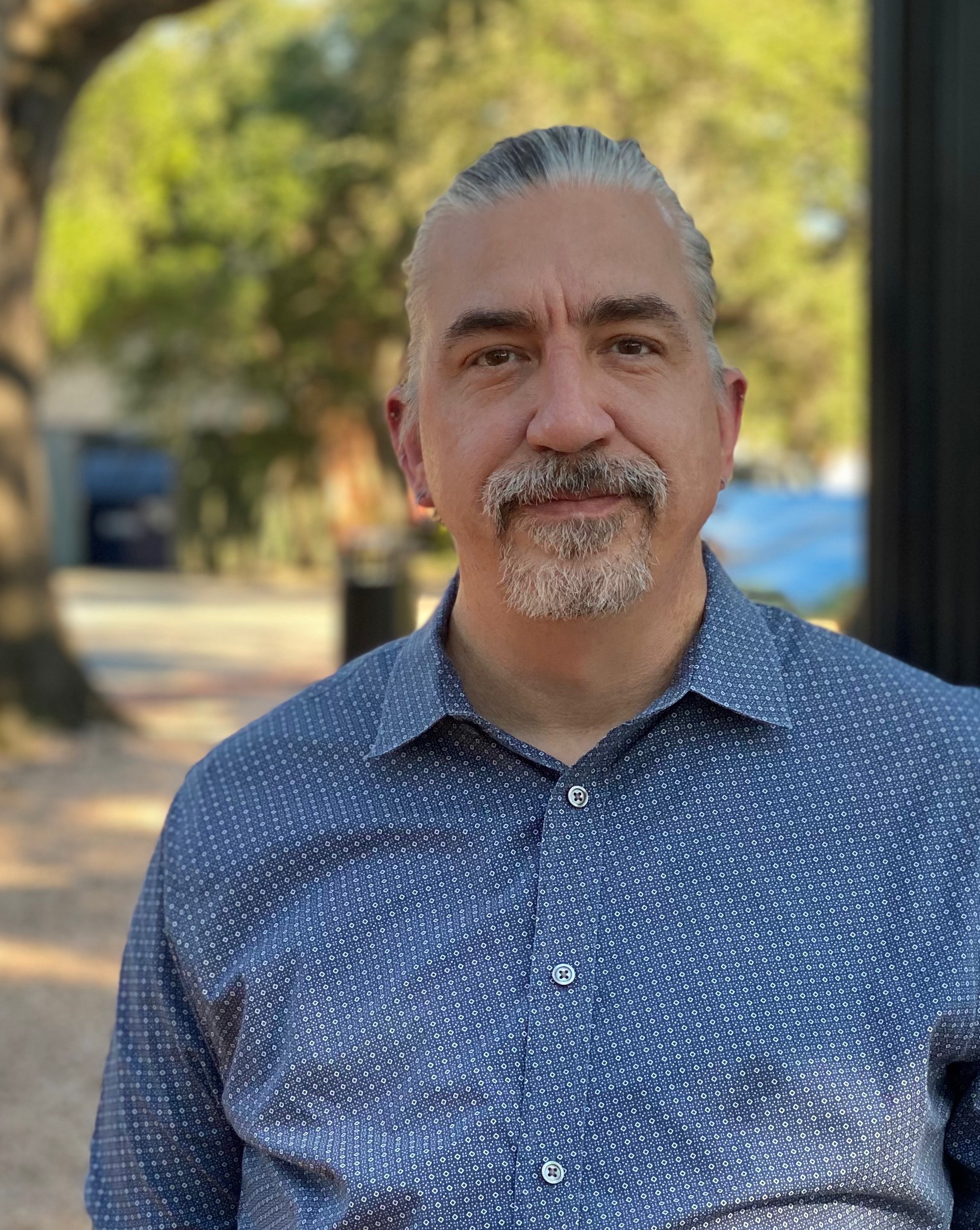
Skeetz Edinger, LMFT is a practice owner and clinical supervisor based in Salem, MA. He is an AAMFT Clinical Fellow and AAMFT Approved Supervisor, and serves on the NEAFAST Board of Directors, having recently been elected Vice President/President-Elect. He is faculty at the Houston-Galveston Institute.
|